Somnath Temple: History, Legends, and Spiritual Significance of India’s First Jyotirlinga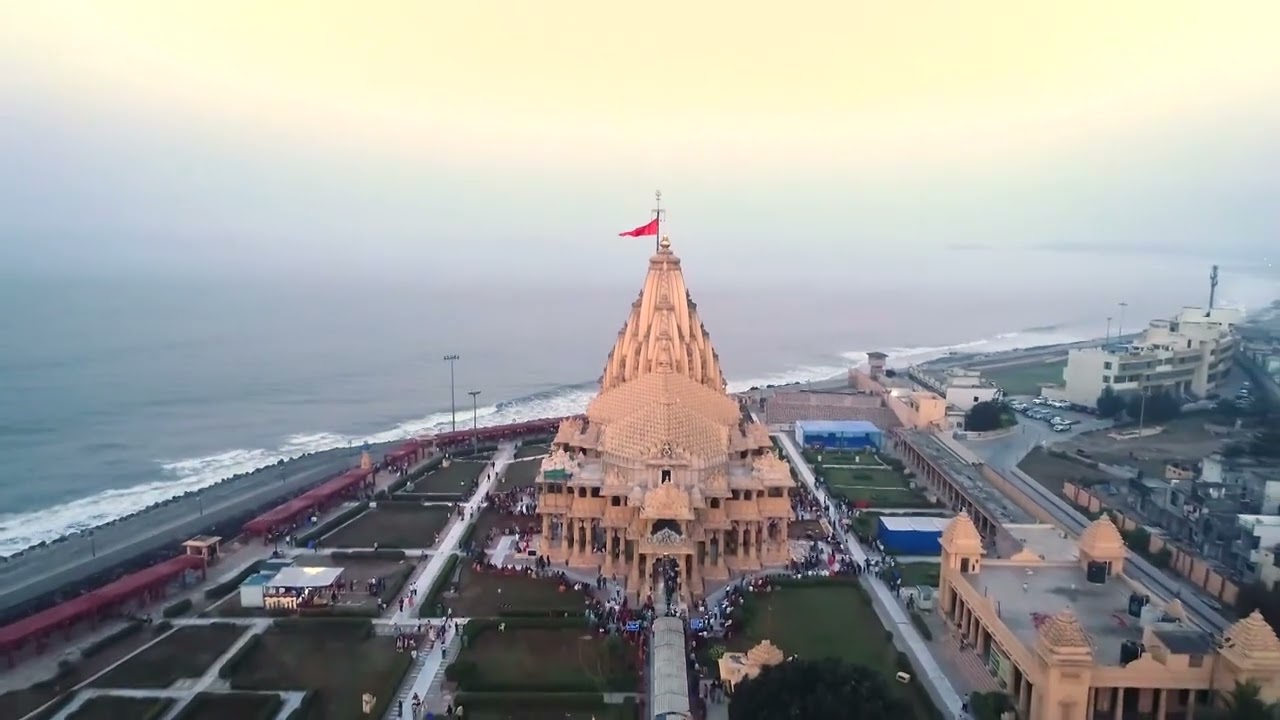
Somnath Temple is one of the Best Travel Place of India and holds a timeless place in the country’s spiritual and cultural history. Located on the western coast of Gujarat, near the Arabian Sea, Somnath Temple is revered as the first among the twelve Jyotirlingas of Lord Shiva. The temple stands not only as a symbol of deep faith but also as a powerful reminder of resilience, rebirth, and devotion.
For centuries, Somnath Temple has attracted devotees, historians, and travelers who seek spirituality, history, and architectural brilliance. Its story is a remarkable blend of mythology, historical invasions, and modern reconstruction.
Introduction to Somnath Temple
This holy shrine is not only a religious destination but also one of the most important heritage temples of India, drawing millions of pilgrims every year.
Mythological Significance of Somnath Temple(Best Travel Place of India)
The history of Somnath Temple begins in ancient Hindu mythology. According to legends:
-
Chandra Dev (the Moon God) was cursed by his father-in-law, King Daksha.
-
To seek relief from the curse, Chandra Dev worshipped Lord Shiva at this sacred place.
-
Pleased by his devotion, Lord Shiva blessed him, and the Moon regained his brightness in phases.
Because of this divine event, the temple came to be known as Somnath, meaning Protector of the Moon. This mythological connection gives Somnath Temple a unique cosmic and spiritual importance.
Historical Background of Somnath Temple(Best Travel Place of India)
The historical journey of Somnath Temple inspires as much as it amazes. Ancient texts and inscriptions reveal that builders constructed the temple thousands of years ago, using gold, silver, and sandalwood at different stages.
Repeated Destruction and Reconstruction(Best Travel Place of India)
Somnath Temple is known for being destroyed and rebuilt several times in history:
-
Mahmud of Ghazni attacked the temple in 1025 CE, looting its immense wealth.
-
Over the centuries, the temple faced invasions by foreign rulers, including the Delhi Sultanate.
-
Each time it was destroyed, devotees rebuilt it with even stronger determination.
This repeated resurrection earned Somnath Temple the title of “The Eternal Shrine”, symbolizing the undying spirit of Sanatan Dharma.
Modern Reconstruction of Somnath Temple(Best Travel Place of India)
After India gained independence, the reconstruction of Somnath Temple became a matter of national pride. Leaders like Sardar Vallabhbhai Patel took the initiative to rebuild the temple as a symbol of cultural revival.
-
The present structure was completed in 1951
-
The reconstruction followed traditional Chalukya architectural style
-
No government funds were used; it was rebuilt through public contributions
The modern Somnath Temple stands tall, majestic, and spiritually powerful, reflecting India’s heritage and unity.
Architectural Beauty of Somnath Temple(Best Travel Place of India)
The architecture of Somnath Temple is a perfect example of ancient Indian craftsmanship.
Key Architectural Highlights
-
Built in Chalukya style
-
Massive stone structure with intricate carvings
-
Tower (Shikhara) rising approximately 155 feet
-
Golden Kalash weighing over 10 tons
Facing the Arabian Sea, the temple offers breathtaking views, especially during sunrise and sunset, making it a spiritual as well as visual experience.
The Sacred Somnath Jyotirlinga
At the heart of the temple lies the Somnath Jyotirlinga, one of the most powerful representations of Lord Shiva.
Devotees believe that worshipping at Somnath Temple:
-
Removes negative energies
-
Brings mental peace and spiritual awakening
-
Fulfills wishes with sincere devotion
-
Grants liberation (moksha)
Daily rituals such as Abhishek, Aarti, and Rudrabhishek are performed with Vedic chants, creating a deeply divine atmosphere.
Somnath Temple and Indian Culture
Somnath Temple holds a special place in Indian cultural consciousness. It represents:
-
The endurance of faith despite adversity
-
The unity of Indian spiritual traditions
-
The continuity of ancient rituals in modern times
Several ancient scriptures like the Skanda Purana, Shiva Purana, and Rigveda mention the significance of Somnath, further reinforcing its historical and religious value.
Light and Sound Show at Somnath Temple
One of the major attractions for visitors is the Somnath Temple Light and Sound Show, held every evening.
-
Narrates the history and legends of the temple
-
Available in multiple languages
-
Uses dramatic lighting and music
-
Highly informative for tourists and history lovers
This show beautifully presents the story of destruction, devotion, and rebirth associated with Somnath Temple.
Best Time to Visit Somnath Temple
The ideal time to visit Somnath Temple is between October and March, when the weather remains pleasant.
Important Festivals Celebrated
-
Maha Shivratri
-
Shravan Month
-
Kartika Purnima
-
Somnath Mahotsav
During these festivals, the temple is decorated magnificently, and the spiritual energy is at its peak.
How to Reach Somnath Temple
Somnath Temple is well connected by all major modes of transport.
-
By Air: Nearest airport is Diu (around 85 km)
-
By Rail: Veraval Railway Station is just 7 km away
-
By Road: Well-connected via highways from major Gujarat cities
This accessibility makes Somnath Temple a must-visit destination for pilgrims and tourists alike.
Somnath Temple for Spiritual Travelers(Best Travel Place of India)
For spiritual seekers, Somnath Temple is more than a destination—it is an experience. The sound of ocean waves, the chanting of mantras, and the divine presence of Lord Shiva create a deeply meditative environment.
Many travelers combine their visit with nearby sacred places like:
-
Bhalka Tirth
-
Triveni Sangam
-
Gita Mandir
Somnath Temple – Frequently Asked Questions (FAQs)
Q1. What is Somnath Temple famous for?
Answer:
Q2. Where is Somnath Temple located?
Answer:
Somnath Temple is located in Prabhas Patan near Veraval, in the Gujarat state of India, on the shores of the Arabian Sea.
Q3. What is the historical significance of Somnath Temple?
Answer:
Q4. Why is Somnath Temple called the first Jyotirlinga?
Answer:
Q5. Who rebuilt Somnath Temple after independence?
Answer:
After India’s independence, Sardar Vallabhbhai Patel initiated the reconstruction of Somnath Temple. The present structure was completed in 1951 through public contributions.
Q6. How many times was Somnath Temple destroyed?
Answer:
Q7. What architectural style is Somnath Temple built in?
Answer:
Q9. What is the mythological story behind Somnath Temple?
Answer:
According to mythology, Chandra Dev (Moon God) worshipped Lord Shiva at this site to get relief from a curse. Lord Shiva blessed him, and the moon regained its glow, leading to the name Somnath.
Conclusion
Somnath Temple is not just a religious monument; it is a living symbol of faith, resilience, and devotion. From ancient mythology to modern history, the temple has witnessed countless events yet continues to stand strong on the shores of the Arabian Sea.
Whether you are a devotee, a history enthusiast, or a spiritual traveler, Somnath Temple offers an unforgettable journey into India’s sacred past and present. Visiting this holy shrine is an experience that touches the soul and strengthens faith in the eternal power of devotion.